
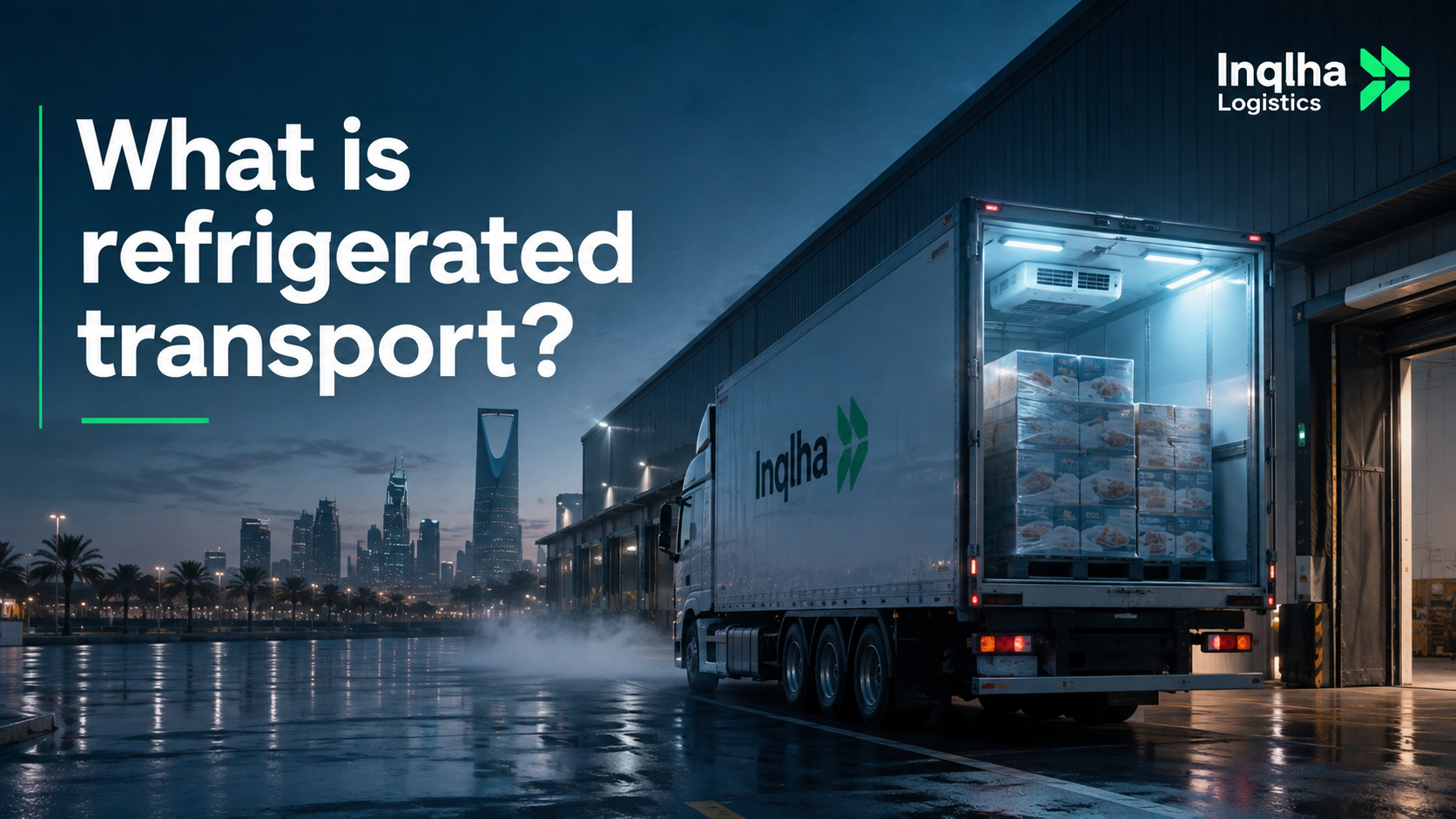

Refrigerated transport is a critical part of the cold chain for food, pharmaceuticals, medical products, and other temperature-sensitive cargo. It uses suitable vehicles, insulated cargo areas, refrigeration systems, monitoring equipment, and operating procedures to help maintain the conditions required by a shipment during transportation.
However, refrigerated transport is only one part of the wider cold chain. Product preparation, storage, loading, transportation, temporary handling, distribution, unloading, and final delivery can all affect the conditions experienced by temperature-sensitive goods.
Quick Summary
- Refrigerated transport moves temperature-sensitive cargo under controlled conditions using suitable vehicles or transport systems.
- Temperature-controlled transport is a broader concept that can include chilled, frozen, and other product-specific temperature ranges.
- The cold chain covers the complete temperature-controlled supply chain from production or preparation through storage, transport, distribution, and delivery.
- Refrigerated and frozen transport differ primarily according to the conditions required by the product.
- Vehicle selection, refrigeration capacity, insulation, airflow, loading, journey duration, and door openings can all affect transport performance.
- Temperature sensors and data loggers can provide records of conditions experienced during a shipment when required.
- A temperature excursion does not automatically mean that a shipment must be rejected; it should be assessed according to the product, excursion limits, duration, and applicable procedures.
Start with the product requirements
Before choosing a refrigerated truck or temperature setting, identify the cargo’s required transport conditions. The product should determine the transport solution — not the other way around.
What Is Refrigerated Transport?
Refrigerated transport is the transportation of goods using a vehicle, container, or other transport system designed to help maintain suitable temperature conditions during the journey.
It is commonly used when exposure to unsuitable temperatures can affect product quality, condition, safety, shelf life, or compliance with the product’s approved storage and transport requirements.
Controlled Conditions
The transport environment is managed according to the requirements of the cargo.
Suitable Transport Equipment
An insulated vehicle and refrigeration system are selected according to cargo volume, route, and required conditions.
Temperature Monitoring
Certain shipments may require temperature measurement, indicators, or continuous data logging during transportation.
Transport refrigeration normally maintains product condition rather than correcting it
Products should generally enter the transport process in the condition required for shipment. Refrigerated transport equipment should not be treated as a substitute for correctly chilling or freezing cargo before loading.
How Does Temperature-Controlled Transport Work?
Temperature-controlled transport is a broader logistics concept in which environmental conditions are managed according to a predefined transport profile.
The required condition may involve refrigeration, freezing, or another temperature range defined by the product manufacturer, applicable regulations, or operating requirements.
Several elements work together to maintain those conditions:
Thermal Insulation
Insulated cargo bodies reduce heat transfer between the outside environment and the cargo space.
Refrigeration System
The refrigeration unit provides cooling capacity suitable for the vehicle and required operating conditions.
Air Distribution
Refrigerated air needs appropriate circulation throughout the cargo area.
Monitoring
Sensors, indicators, or data loggers may be used to measure and document transport conditions.
Operating Procedures
Loading, unloading, door management, stops, and exception handling can affect the controlled environment.
Route Planning
Journey duration, ambient conditions, delivery stops, and delays should be considered when planning the shipment.
What Is Cold Chain Transportation?
The cold chain is the wider temperature-controlled supply chain used to maintain suitable conditions for temperature-sensitive products.
The Food and Agriculture Organization of the United Nations describes a cold chain as a supply chain with controlled temperature from production through transportation, storage, distribution, and delivery to the end user.
This means that cold chain transportation is one link within a larger system. Product conditions need to be maintained before the vehicle arrives and after the vehicle reaches its destination as well.
PREPARATION
Prepare, process, pack, chill, freeze, or otherwise condition the product according to its requirements.
STORAGE
Maintain the required product conditions before transportation begins.
TRANSPORT
Move the cargo using suitable transport equipment while maintaining the required conditions.
DISTRIBUTION
Maintain appropriate conditions as the product moves through warehouses, branches, distributors, or other supply-chain points.
DELIVERY
Transfer the shipment into an appropriate receiving environment and complete the required delivery documentation.
The refrigerated truck is only one link in the cold chain
A suitable truck cannot correct problems that occurred during storage before collection, during loading, at an intermediate facility, or after delivery. Cold-chain performance depends on continuity across the entire journey.
Refrigerated vs Frozen Transport: What Is the Difference?
Both refrigerated and frozen transport use temperature-control systems, but the required operating conditions depend on the cargo itself.
The important question is therefore not simply whether a truck is described as “refrigerated” or “frozen,” but whether the vehicle and refrigeration system can maintain the conditions required by the actual shipment.
| Factor | Refrigerated Transport | Frozen Transport |
|---|---|---|
| Product Condition | Products requiring chilled or another controlled condition | Products that must remain in a frozen condition |
| Temperature | Defined according to product requirements | Defined according to the frozen product specification |
| Refrigeration Capacity | Must support the required cargo and transport profile | Must be capable of maintaining the required lower-temperature conditions |
| Door Openings | Can introduce warmer ambient air into the cargo area | Require careful management to reduce disruption to frozen transport conditions |
| Typical Applications | Dairy, fresh products, certain pharmaceuticals, and other temperature-sensitive cargo | Frozen food and other products specifically requiring frozen transport |
For food-specific requirements, explore our guide to refrigerated and frozen food transport in Saudi Arabia.
What Types of Products Require Cold Chain Transportation?
Cold-chain logistics is used across several sectors, but transport requirements should always be determined at product level rather than assuming that every product in a category requires the same conditions.
Chilled and Frozen Foods
Including meat, poultry, seafood, dairy products, frozen foods, and other perishable food products.
Fresh Produce
Certain fruits, vegetables, and fresh products benefit from carefully controlled transport conditions.
Certain Pharmaceuticals
Some pharmaceutical products require specific storage and transportation conditions according to approved product requirements.
Biological Products
Certain vaccines, biologics, and related products can require tightly managed temperature conditions.
Diagnostics and Laboratory Products
Certain IVD, diagnostic, and laboratory products can have specific environmental requirements during transportation.
Other Temperature-Sensitive Cargo
Any product whose manufacturer or applicable requirements specify controlled conditions during storage or transportation.
Product category does not define the temperature
Terms such as “food,” “medicine,” or “medical product” are too broad to determine a transport setpoint. Always check the actual product requirements before planning the shipment.
For pharmaceutical cargo, see our dedicated guide to pharmaceutical temperature-controlled transport in Saudi Arabia.
What Types of Vehicles Are Used for Refrigerated Transport?
Refrigerated vehicles range from small vans and light commercial vehicles to medium trucks, large reefer trucks, and refrigerated trailers.
The right vehicle depends on cargo weight, volume, product requirements, route length, accessibility at pickup and delivery sites, and the refrigeration capability of the actual vehicle.
| Vehicle Type | Typical Use | When It May Be Suitable |
|---|---|---|
| Refrigerated Van | Smaller shipments and local distribution | Lower-volume cargo and urban deliveries |
| Small Refrigerated Truck | Small and medium commercial loads | Branch distribution, restaurants, retailers, and certain intercity routes |
| Medium Refrigerated Truck | Higher-volume commercial cargo | Palletized shipments and larger distribution requirements |
| Large Reefer Truck | Large commercial loads | Higher-volume intercity and long-distance transport |
| Refrigerated Trailer | Large-scale cold-chain logistics | High-capacity commercial and regional distribution |
| Multi-Temperature Vehicle | Separate temperature-controlled zones | Compatible products requiring different conditions within a vehicle designed for multi-temperature operation |
For more detail on vehicle selection, read our guide to reefer trucks and refrigerated vehicle types in Saudi Arabia.
How Is Temperature Maintained During Transport?
Maintaining temperature during transport depends on the complete operating system, not simply the refrigeration unit.
Correct Product Condition
The cargo should begin transportation under the conditions required for the product.
Suitable Refrigeration Capacity
The refrigeration system should match the cargo body, required temperature, ambient environment, and transport profile.
Airflow
Cargo should be loaded so that refrigerated air can circulate appropriately around the load.
Door Management
Reducing unnecessary door-opening time limits the entry of warmer outside air.
Temperature Recording
Data loggers and other monitoring systems can provide a time-based record of transport conditions.
Efficient Handling
Reducing unnecessary delays during loading, transportation, and unloading limits exposure to uncontrolled environments.
Shipment tracking and temperature monitoring are not the same
Tracking tells you where the vehicle or shipment is. Temperature monitoring records environmental conditions associated with the cargo. When a temperature record is required, appropriate monitoring equipment should be specified separately.
What Happens When the Cold Chain Is Broken?
A cold-chain break or temperature excursion occurs when a product experiences conditions outside its defined transport or storage limits.
Possible causes include refrigeration-system failure, incorrect temperature settings, prolonged door openings, loading delays, unexpected stops, unsuitable temporary storage, or other handling problems.
Refrigeration Failure
Loss of refrigeration performance can change conditions inside the cargo area during the journey.
Extended Door Openings
Warm ambient air can enter the cargo space and increase the refrigeration load.
Handling Delays
Temperature-sensitive products can be exposed to uncontrolled conditions during slow loading or unloading.
Incorrect Settings
A functioning refrigeration unit can still provide unsuitable conditions if it is configured incorrectly for the product.
A temperature excursion does not automatically mean the product must be discarded
The effect of an excursion should be evaluated according to the product, temperature reached, duration, applicable limits, stability information, and relevant operating or regulatory procedures. The correct response varies by cargo type.
Key Stages of Refrigerated Transport From Loading to Delivery
PLANNING
Identify cargo type, required conditions, shipment size, route, vehicle requirements, and monitoring needs.
VEHICLE PREPARATION
Check vehicle condition, cleanliness, refrigeration equipment, and required monitoring systems before loading.
LOADING
Reduce uncontrolled exposure and arrange cargo so important refrigerated airflow paths remain open.
TRANSPORT
Operate the transport system, monitor the journey, and collect the required environmental records.
DELIVERY
Complete unloading efficiently, transfer cargo into the appropriate receiving environment, and document delivery.
How Technology Supports Cold Chain and Refrigerated Transport
Modern cold-chain management increasingly combines physical transport equipment with digital information. Technology can improve visibility into vehicle movement, temperature conditions, exceptions, and delivery status.
GPS and Telematics
Help track vehicle location, routes, stops, and journey progress.
Temperature Sensors
Measure temperature at defined points within a transport or storage system.
Data Loggers
Create time-based records of environmental conditions associated with a shipment.
Alerts
Some monitoring systems can generate notifications when predefined operating limits are exceeded.
Digital Records
Support better organization of transport, monitoring, delivery, and compliance-related information.
Temperature Mapping
Helps identify how temperature varies across a three-dimensional controlled environment and can support qualification of cold-chain equipment and storage spaces.
Technology supports the cold chain — it does not replace good operations
A sensor or tracking platform cannot compensate for an unsuitable vehicle, poor loading, incorrect product preparation, or a refrigeration system that does not meet the cargo requirements.
How to Choose the Right Refrigerated Transport Solution
The best refrigerated transport solution is not necessarily the largest truck, the lowest setpoint, or the cheapest quote. It is the option that appropriately matches the product, cargo volume, route, timing, monitoring needs, and applicable requirements.
- Identify the product: Determine whether it requires chilled, frozen, or another controlled condition.
- Confirm temperature requirements: Use the actual product specification or manufacturer instructions.
- Define shipment size: Include weight, dimensions, pallet count, carton count, or total volume.
- Select the vehicle: Match capacity and refrigeration capability to the shipment.
- Review the route: Consider distance, duration, delivery stops, and potential delays.
- Plan handling: Account for loading, unloading, and any intermediate storage or transfer.
- Define monitoring: Specify GPS, temperature logging, or other monitoring needs separately.
- Check applicable requirements: Particularly for food, pharmaceuticals, and medical products.
- Compare equivalent offers: Make sure carriers are quoting against the same transport specification.
- Plan documentation: Define the delivery and monitoring records required for the shipment.
If price is part of your decision, see our guide to refrigerated transport cost in Saudi Arabia.
Refrigerated Transport in Saudi Arabia Through Inqlha
Inqlha operates as a digital logistics marketplace connecting shippers with carriers rather than as a traditional trucking company with an owned fleet.
When requesting refrigerated transport, you can define the product, shipment size, pickup and delivery locations, required date, vehicle requirements, and temperature conditions so suitable carriers can evaluate the journey and provide offers.
Define Your Requirements
Provide cargo, route, timing, vehicle, and temperature information.
Reach Suitable Carriers
Available carriers can evaluate whether their vehicle and operating capabilities fit the transport request.
Compare Offers
Evaluate price together with the proposed vehicle, route, schedule, and included requirements.
Track the Journey
Follow transport progress through delivery and use the available documentation features.
Specify temperature monitoring separately
Shipment tracking through Inqlha does not automatically mean that temperature inside the truck or cargo is being measured. If the shipment requires a data logger or another monitoring system, include that requirement and confirm its availability with the selected carrier.
Frequently Asked Questions About Refrigerated Transport and Cold Chain Logistics
What is refrigerated transport?
Refrigerated transport is the movement of temperature-sensitive goods using vehicles or transport systems designed to maintain suitable environmental conditions during the journey.
What is cold chain transportation?
Cold chain transportation is the transport component of a wider temperature-controlled supply chain that can include product preparation, storage, handling, transportation, distribution, and delivery.
Is refrigerated transport the same as the cold chain?
No. Refrigerated transport is one part of the cold chain. The full cold chain also includes storage, loading, unloading, temporary handling, distribution, and receiving conditions.
What is the difference between refrigerated and temperature-controlled transport?
Refrigerated transport is one form of temperature-controlled transport. Temperature-controlled logistics is the broader concept and can include chilled, frozen, or other product-specific environmental conditions.
What is the difference between refrigerated and frozen transport?
The difference mainly comes from the condition required by the product. Frozen cargo generally requires a different operating profile and refrigeration capability from many chilled products.
What products require cold chain transportation?
Examples can include chilled and frozen food, fresh produce, certain medicines, biological products, diagnostics, laboratory products, and other goods whose storage or transport specifications require controlled temperatures.
Does GPS track the temperature of refrigerated cargo?
No. GPS tracks vehicle location or journey movement. Temperature monitoring requires separate sensors, indicators, data loggers, or another suitable temperature-monitoring system.
What happens if cargo temperature moves outside the required range?
The excursion should be documented and assessed based on the product, the temperature reached, the duration of exposure, applicable limits, and relevant product or regulatory procedures. The correct response varies by shipment.
Do refrigerated trucks freeze products during transportation?
Transport refrigeration is generally designed to maintain the condition of appropriately prepared cargo. Products should normally be chilled or frozen according to their requirements before loading rather than relying on the transport unit to correct the product temperature.
How do I choose the right refrigerated vehicle?
Consider cargo weight, volume, product requirements, required temperature, route length, delivery stops, site access, and monitoring needs. See our guide to refrigerated trucks and reefer vehicles for more detail.
Are there specific refrigerated transport requirements in Saudi Arabia?
Yes. Requirements vary according to the type of cargo and regulated activity. Saudi requirements cover areas such as food transport, pharmaceutical distribution, medical products, and temperature-monitoring requirements, so the applicable rules should be checked before transportation.
References
Cold Chain — Definition
— Food and Agriculture Organization of the United Nations (FAO)
From Farm to Fork: How to Keep Food Fresh and Healthy, Sustainably
— Food and Agriculture Organization of the United Nations (FAO)
Code of Practice for the Processing and Handling of Quick Frozen Foods
— Codex Alimentarius — FAO/WHO
General Requirements for Food Transport
— Saudi Food and Drug Authority (SFDA)
Temperature Indicator and Data Logger Requirements During Transportation
— Saudi Food and Drug Authority (SFDA)
Guideline of Good Storage and Distribution Practices (GSDP)
— Saudi Food and Drug Authority (SFDA)
Model Guidance for the Storage and Transport of Time- and Temperature-Sensitive Pharmaceutical Products
— World Health Organization (WHO)
Cold Chain Equipment and Dry Store Temperature Mapping Tool
— World Health Organization (WHO)
START YOUR TRANSPORT REQUEST
Need a Refrigerated Transport Solution for Your Shipment?
Define your cargo, shipment size, route, required temperature conditions, and monitoring needs, then start exploring suitable carrier options through Inqlha.
Explore More About Refrigerated Transport
- Refrigerated Transport and Reefer Trucking in Saudi Arabia
- Refrigerated Transport Cost in Saudi Arabia
- Reefer Lorries, Refrigerated Trucks and Vehicle Types
- Refrigerated and Frozen Food Transport in Saudi Arabia
- Pharmaceutical Temperature-Controlled Transport in Saudi Arabia
- Refrigerated Transport Requirements and Compliance in Saudi Arabia